The Political Bureau’s Resolution No. 43-NQ/TW outlines a strategic vision for the development of Da Nang, with the goal of transforming the city into an international maritime and coastal metropolis by 2030, and a key urban center and growth engine for the Central and Central Highlands regions by 2045. In this context, Da Nang Port is positioned as a vital hub on the East Sea maritime route, driving economic growth and sustainable development for the region.
The History of Da Nang Port
Da Nang Port has a long and significant history, playing a crucial role in Vietnam’s development. After the city’s liberation on March 29, 1975, the transportation authority of Interzone 5 took control of the port’s infrastructure and quickly resumed operations, facilitating the unloading of goods from socialist countries aiding Vietnam. On January 19, 1976, the Ministry of Transport officially established Da Nang Port.

Since then, the port has undergone various stages of restructuring and modernization. A notable turning point came in 2014 when Da Nang Port transitioned into a joint-stock company. This marked a period of remarkable growth, with increases in cargo throughput, container handling, and revenue. The development of the Tien Sa port facility in 2018 further enhanced its capacity to accommodate larger vessels, solidifying Da Nang Port’s role as a key player in the maritime sector.
Role and Development Strategy
Da Nang Port’s growth is centered on three key pillars: seaport operations, logistics, and tourism/services. As the most modern and largest seaport in central Vietnam, it serves as a crucial gateway on the East-West Economic Corridor, enhancing its ability to handle container ships, cruise ships, and specialized vessels of significant tonnage.
In parallel with seaport operations, Da Nang Port is also at the forefront of logistics development, streamlining operations to improve competitiveness. The port has been a pioneer in adopting digital solutions, such as the ePORT software system. This cutting-edge platform integrates robotics, automated container identification, and e-invoicing, allowing customers to manage transactions anytime, anywhere, improving efficiency and reducing errors.
Towards a Green Port
Da Nang Port is also committed to becoming a green port, per Vietnamese and international standards. The port has implemented numerous digitalization initiatives, reducing paperwork, streamlining processes, and minimizing environmental impacts. These advancements are part of the port’s broader strategy to align economic development with environmental protection, ensuring long-term sustainability.
A green port supports the region’s growth and contributes to preserving the marine ecosystem, balancing economic growth with environmental stewardship.
The Role of Anti-Fouling Paint in Maritime Development
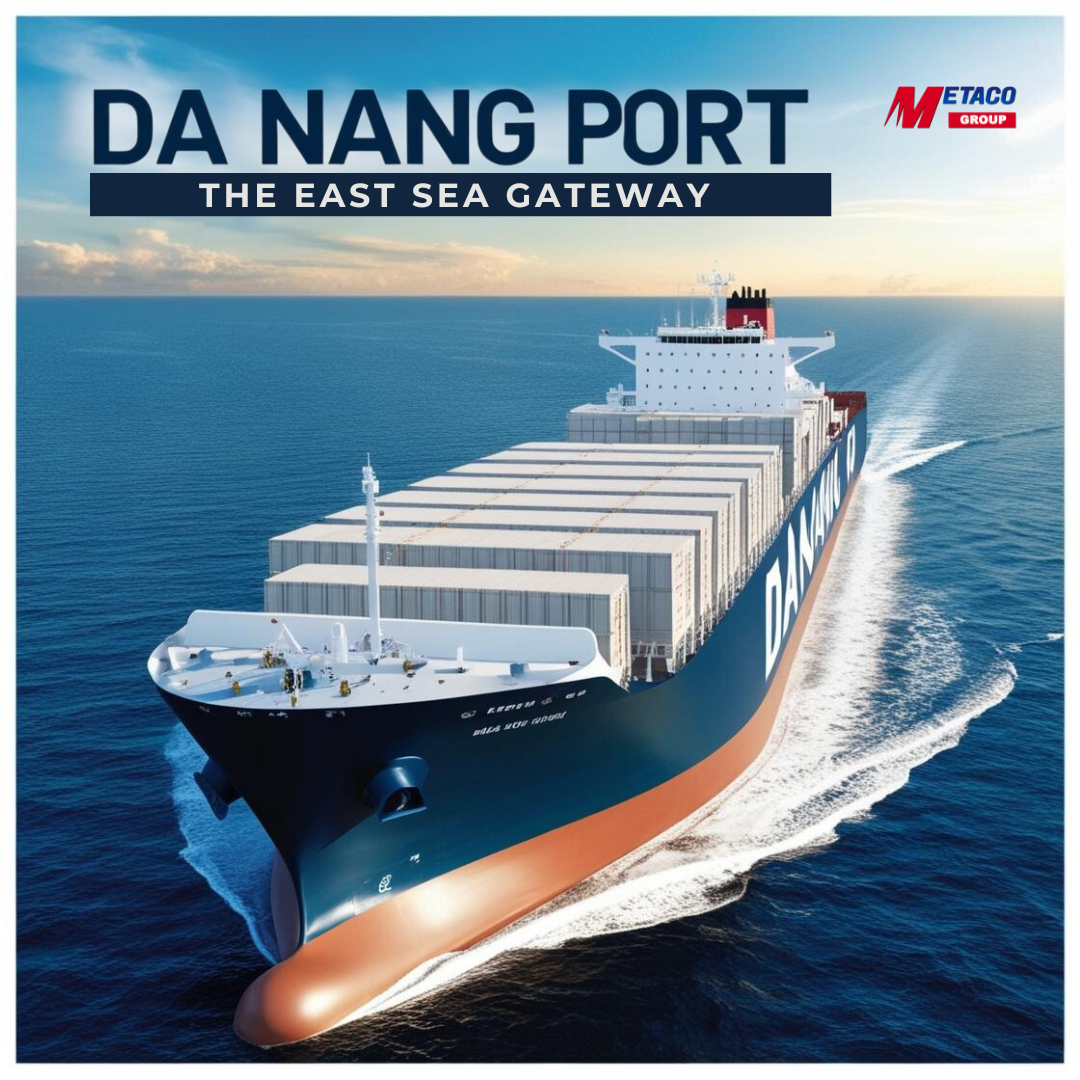
In the expansion of maritime trade, the maintenance of vessels plays a critical role in ensuring operational efficiency. Marine vessels frequently encounter fouling, where organisms like barnacles attach to the hull, reducing speed and increasing fuel consumption. Anti-fouling paint is an essential solution to protect ships from these adverse effects, maintaining their performance and reducing operational costs.
With over 10 years of experience in the marine coatings industry, Metaco is proud to be the official distributor of the Nippon Paint Marine in Vietnam. We not only provide products but also offer technical consulting and standardized application services for marine vessels, steel structures, and industrial projects.
Explore more of Metaco’s projects at: https://metaco.vn/news/metaco-project/
Mai Hoang
Reference: Han Luong (Vietnam Business Forum), Duong Hang Nga
Find the product here or contact us at:
Facebook: Metaco Group
Website: https://metaco.vn
Email: info@metaco.vn
Address: No. 5 Ly Tu Trong, Hong Bang District, Hai Phong City